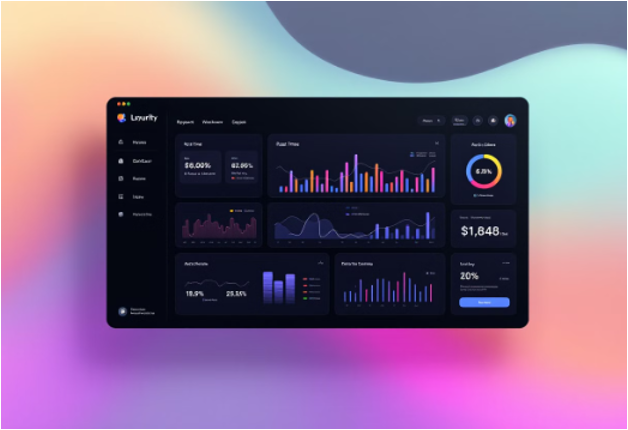
AI & IoT Supply Chain Intelligence

Falcon Tag

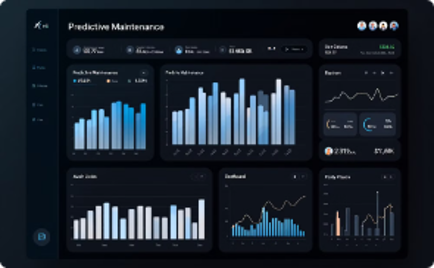
Real-time operational visibility, predictive maintenance and disruption detection for ports, terminals and critical infrastructure.

Why teams adopt Falcon Tag

Why adopt Falcon Tag

Detect disruption early

Continuous anomaly detection across sensor, satellite and weather feeds flags deviations hours before they reach the quay, the line or the schedule.

Integrate fragmented systems

TOS, ERP, telematics, gate systems and spreadsheets are normalised into a single operational data model — without replacing what already works.

Give executives decision visibility

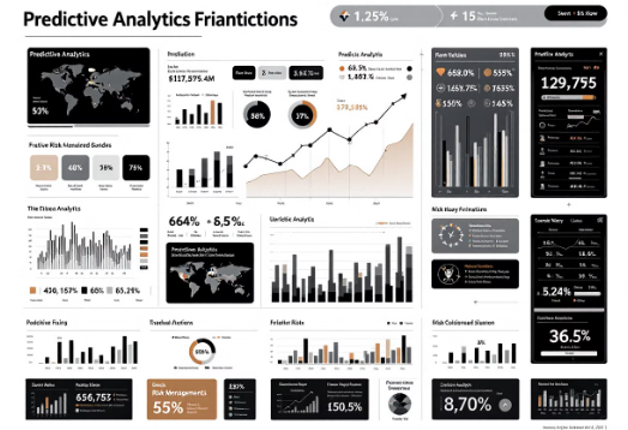
Operational, financial and sustainability indicators are presented in one governed view, so directors and boards act on the same verified picture.

Connected estate

A live sensor network wrapped around the assets you already run

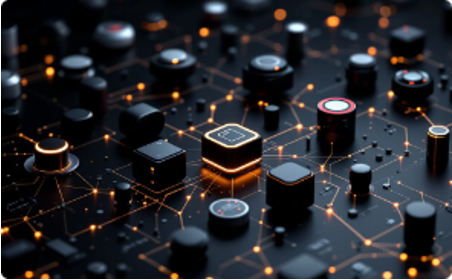
Retrofit IoT devices, satellite trackers and existing telemetry into one governed data model. Falcon Tag turns that continuous signal into ranked incidents, failure-risk scores and evidence your teams can act on in the moment.

  • Continuous condition monitoring across temperature, humidity, shock and location.
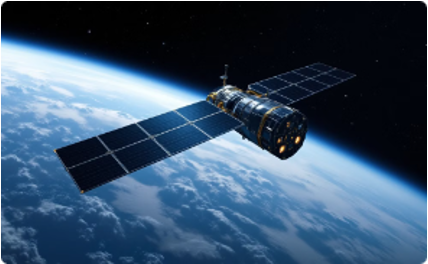
  • Satellite, cellular and offline modes keep assets visible even at sea or in remote yards.
  • Normalised feeds from TOS, ERP, telematics and SCADA sit beside sensor data in one timeline.
Brunel University London
ESA
Forsberg
Innovate UK
JWA De Solutions
OpenKit
University of Nottingham
Brunel University London
ESA
Forsberg
Innovate UK
JWA De Solutions
OpenKit
University of Nottingham

Our Partners

System capabilities

A governed operating layer for live operational intelligence

Asset tracking

Unified location and condition state for containers, equipment and rolling assets.

Predictive maintenance

Failure-risk scoring on cranes, handling equipment and fixed plant.

Anomaly detection

Model-driven alerts on deviation from expected operational patterns.

Smart route planning

Constraint-aware routing for inland movements and yard traffic flow.

Operational automation

Rule and model triggered workflows across existing operational systems.

Innovation

Performance and resilience need a platform that learns from the environment it serves

System architecture overview
  1. 01

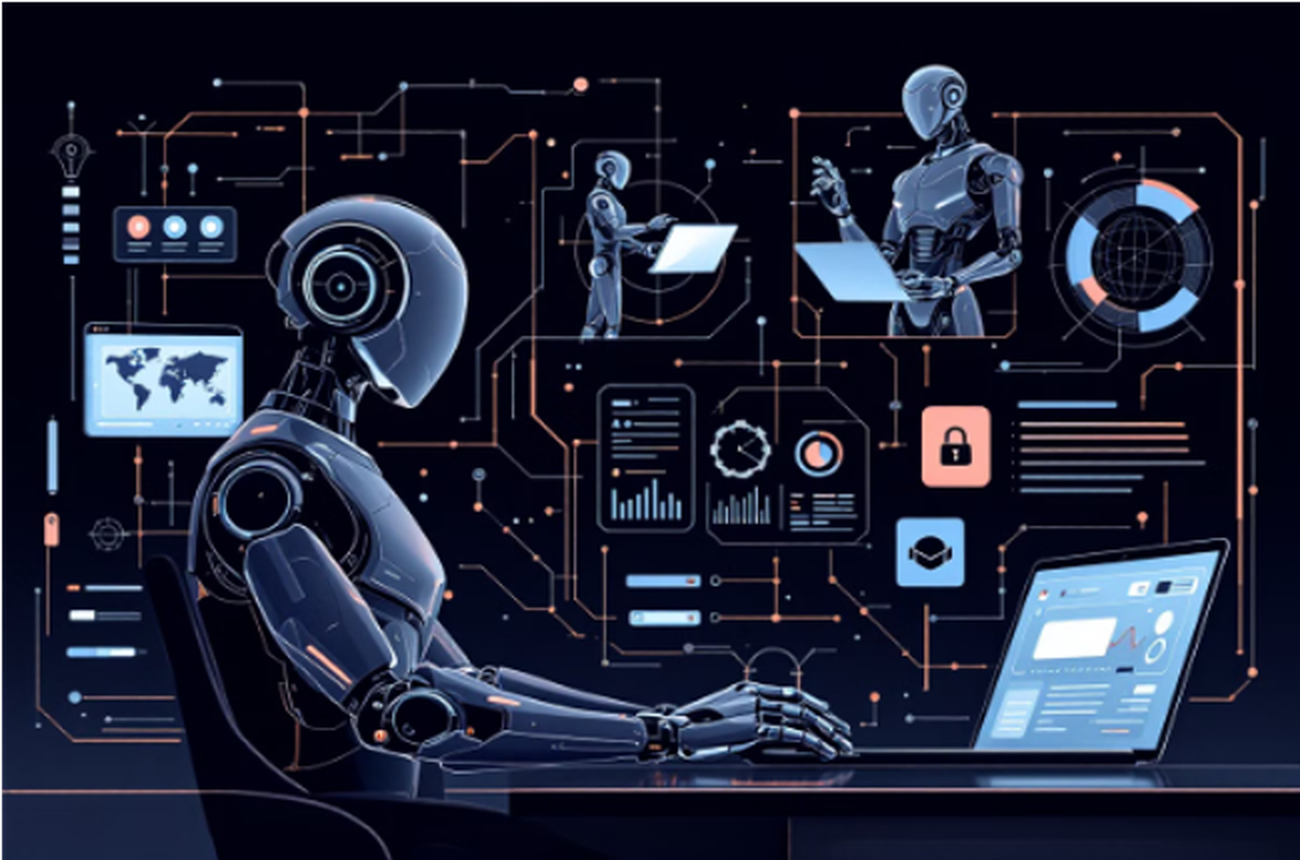
    Unified AI and IoT system

    One platform that understands an organisation's structure, processes and internal systems, addressing multiple operational challenges instead of adding another point tool.

  2. 02

    Natural language interface

    An advanced language model lets operational staff interrogate live data without technical expertise, widening access to decision-grade information.

  3. 03

    Industry-specific compliance tools

    Sector regulatory knowledge bases, compliance workflows and carbon footprint calculation support sustainability and reporting obligations.

  4. 04

    Reliable online and offline operation

    Cloud processing combined with on-device capability (LLAMA3 14B, Meta 2024) maintains AI functionality across low-connectivity supply chain nodes.

Visibility stack

From sensors and carrier feeds to executive decision support

1

Satellite tracking

Real-time location data using GPS, GPRS and GSM for comprehensive coverage across transport modes.

2

IoT sensors

Continuous monitoring of environmental factors including temperature, humidity and air quality.

3

End-to-end visibility

Seamless tracking across every transport mode, online and offline, with synchronisation on reconnection.

4

Emissions monitoring

Real-time greenhouse gas data, automated compliance reporting and AI-driven recommendations for reducing emissions.

5

API access

Integrate captured data directly into preferred systems with scalable, documented APIs.

6

Real-time updates

Instant data synchronisation across all connected platforms and existing IT infrastructure.

Next steps

Evaluate Falcon Tag against your operational requirements

Request a technical demonstration, explore our integration architecture, or subscribe for quarterly insights on ports, logistics and infrastructure resilience.